

DCP Ultra by EvoMuse
-
Description
DCP™ Ultra is the most researched, advanced and complex non-stim fat burner on the market today, and for the last 10 yearsRead More
DCP Ultra by EvoMuse
DCP™ is the most researched, advanced and complex non-stim fat burner on the market today, and for the last 10 years. The synergistic formula goes after both PPAR-alpha and PPAR-delta receptors, causing a major full body fat loss. Now with the new EvoMuse™ version (now licensed to Evomuse), DCP has improved and has added another level of fat burning power by inhibiting expression of the FTO gene, which is strongly related to obesity. This inhibition boosts the ability of humans to take advantage of uncoupling proteins, an incredibly metabolically wasteful process that makes replenishment of ATP stores more energy costly, primarily fueled by using up fat stores. DCP has 12 solid ingredients, a strong and effective formula and it's stim free! What are you waiting for? Get DCP Ultra now and get rid of that fat!
Key Benefits of Ultra DCP:
- 12 Ingredient Formula
- Deeply Researched
- Long Standing Results Of Over 10 Years
- Burn Fat
- Improve Metabolism
- Reduce Inflammation
- Stim Free
- Improve workout performance
- Improve Recovery
Key Ingredients:
Rose Ellagitannins (RE)
The primary function of RE in this formula is DGAT inhibition.
Diglyceride Acetyltransferase (DGAT) is an enzyme which is vital to the process of forming adipose tissue. DGAT inhibition is an effective and unique angle for targeting fat loss. In fact, DGAT knockout mice (meaning they lack the DGAT enzyme) are resistant to obesity, and exhibit increased insulin and leptin sensitivity.
RE has been shown to significantly inhibit up to 96% of DGAT, which basically makes it super hard for your body to store fat (1). Which is not a suggestion to eat like an escaped convict, the take home point here is that when following a proper fat loss diet, controlling DGAT is going to be a big advantage.Additionally, RE has some beneficial effects on blood lipids and inflammation. Specifically, lowering postprandial triglycerides and suppressing inflammatory cytokines like TNF-a, IL-6 and IL-1b (2). Also, give RE some bonus points for inhibiting growth of E. coli by 50% (3).
Gamma Mangostin 30% (GM)
GM is a dual PPAR-alpha and PPAR-delta agonist (4).
As for PPAR-a, its activation is directly involved with all three stages of fat burning, and is one of the most important players in lipid metabolism. It is triggered naturally during calorie deprivation and in severe carbohydrate restriction to aid in the production of ketones.
Regarding PPAR-d, increased expression of this nuclear receptor has been shown to increase fatty acid oxidation in skeletal muscle by shifting the body's metabolic preference away from carbohydrate in favor of lipids.
This is favorable for multiple reasons. Obviously this means you'll be burning more fat per unit of time, but one side effect of the body relying less on carbohydrate and more on fatty acids is that the latter is a cleaner burning fuel. During exercise you will produce less lactate, prolonging the accumulation of hydrogen ions as well as reducing the total ROS output. Burn more fat, better workout performance, quicker recovery.Artemisia Iwayamogi 20:1 (AI)
Artemisia Iwayomogi (AI) is a Korean herb from the Asteraceae family, checking in as the second PPAR-d agonist in the DCP formula. It is made up of at least 20 known compounds, however it is not known exactly which and how many of these compounds are responsible for providing the numerous benefits.
As we know, herbs such as this are often far more than just the sum of their known parts; for this reason, a full spectrum 20:1 ethanol extract has been chosen for this formula.
AI is an exciting little herb, and although research in humans is in its infancy, the current published data have given us reason to expect big things with regards to accelerating fat loss and improving overall health.Improves efficiency of two out of three steps in the fat burning process
For your body to actually "burn" fat, it has to go through a three step process. Step one is liberating the fat from stored tissue, known as lipolysis. Step two is transporting the fat; step three is actually using it as fuel, known as beta oxidation. AI encourages a higher rate of both transport and oxidation.Carnitine Fumarate (CF)
L-Carnitine is an amino acid with a primary function of carrying fatty acids into the mitochondria so they can be oxidized. It also favorably manipulates the Acyl COA/Acetyl COA ratio in favor of fat burning, and plays a key role in energy metabolism (18).
Fumarate is a component of the Krebs cycle and plays a key role in generating energy.
The Carnitine & Fumarate combination, as CF, will help re-supply depleted carnitine to support optimal fat oxidation while also positively modulating osteoblast function at a rate about 10-fold greater than regular L-Carnitine, which has a significant impact on whole body metabolism and energy expenditure (also previously discussed in the AI section) (19,20).In rats fed a fattening diet for 16 weeks, to the point of giving them metabolic syndrome, they developed central obesity, dyslipidemia, hypertension, impaired glucose tolerance, hyperinsulinemia, and NAFLD. The rats that were given Carnitine experienced an attenuation of ALL of these issues (21). Another rat study demonstrated that Carnitine was able to counteract obesity induced muscle fiber transition, and restore a muscle oxidative metabolic phenotype (22).
Momordin 35%
Momordin is a bioactive glycoside extracted from the bitter melon fruit grown throughout Asia, Africa & The Caribbean.
This is the third ingredient in the formula to target PPAR-d, in addition to GM and AI.
As a refresher, increased expression of this nuclear receptor has been shown to increase fatty acid oxidation in skeletal muscle by shifting the body's metabolic preference away from carbohydrate in favor of lipids (23). Momordin has been shown to upregulate human PPAR-d expression in vitro (24).
A study done in 2011 showed Bitter Melon Juice (containing momordin) was able to have a two-pronged attack on fat metabolism by inhibiting its storage as well as increasing rate of lipolysis in human fat cells (25).
In mice fed a high fat diet, the group receiving Bitter Melon bioactives lost weight, improved glucose metabolism and raised insulin sensitivity by increasing GLUT-4 density in skeletal muscle cells (26). It can also potentially slow gastric emptying, which improves glucose metabolism and insulin signaling (27).Mangiferin
Mangiferin is known as a xanthanoid, and it is found in mangoes as well as a few other places in nature. It represents the 2nd DCP ingredient to target PPAR-a, along with GM.
As a refresher on PPARa, its activation is directly involved with all three stages of fat burning, and is one of the most important players in lipid metabolism. It is triggered naturally during calorie deprivation and in severe carbohydrate restriction to aid in the production of ketones. Mangiferin has been shown in several studies to effectively upregulate PPAR-a (28–30).
Unlike PPAR-a, PPAR-g is responsible for increasing storage of fat in the fat cell. Mangiferin has been shown to reduce its activity thereby reducing fat storage (31).As discussed previously in the RE section, Mangiferin also targets DGAT. As a refresher, diglyceride acetyltransferase (DGAT) is the enzyme responsible for the third and final step in producing a triglyceride from glycerol and fatty acids. Downregulate DGAT, which Mangiferin has been shown to do, and you reduce fat accumulation and increase leptin sensitivity significantly (28).
A brand new human study on Mangiferin showed some excellent results. Subjects were overweight with hyperlipidemia. After 12 weeks of either Mangiferin or placebo supplementation, the Mangiferin group had decreased triglycerides, improved insulin sensitivity, increased HDL, increased ketones, and increased LPL. Mangiferin also promoted an increased oxidation of FFA’s (34).
Finally, Mangiferin has been shown to prevent the differentiation of adipocytes, steering satellite cells away from becoming fat cells (35).
Quercetin-Theobromine cocrystals
Quercetin is one of the most studied flavonoids, and has tons of extremely impressive research backing its benefits. Problem is, most of that research is either in vitro, or, in animals with dissimilar digestion/absorption framework.
The reason for the lack of good human in vivo data, is that the efficacy of this nutrient is extremely limited in humans due to low bioavailability, caused by low aqueous solubility and minimal absorption in the gut. The human liver also does a number on it through some pretty unfavorable conjugation.
One study in particular looked at human ingestion of a huge oral dose of quercetin (4g), and found no measurable increase in plasma or urine quercetin concentrations…yikes. What the researchers did find, however, was that about 53% of the quercetin dose was recovered in subject’s feces, suggesting extensive degradation by microorganisms in the gut (44).Cocrystals are multi-component molecular crystals that dramatically improve bioavailability of certain nutrients (flavonoids in particular). By turning quercetin into a cocrystal with theobromine, the pharmacokinetic properties become vastly superior, and this process yields a quercetin which is able to completely overcome the problem of water insolubility and bioavailability (45).
Supplemental quercetin (given to mice) suppressed fat storage hormones, inhibited lipid accumulation in fat cells, and reduced body weight by almost 40%! (51).
Several animal studies have looked at the administration of a fattening diet, with and without quercetin, to see if any benefit from supplementation can be found. Here’s a couple of highlights:
1.Quercetin group had significantly reduced body weight gain, liver weight gain, fat gain, as well as lower cholesterol and triglycerides. The researchers suggested that through the downregulation of lipogenesis, quercetin may help prevent diet induced obesity (52).
2.Quercetin vs. several other flavonoids, quercetin outperformed everything else by preventing bodyweight gain (moreso than all of the others) over 12 weeks of overfeeding. It also reduced visceral fat, leptin, and even lowered the diet induced accumulation of liver fat by 71% (53).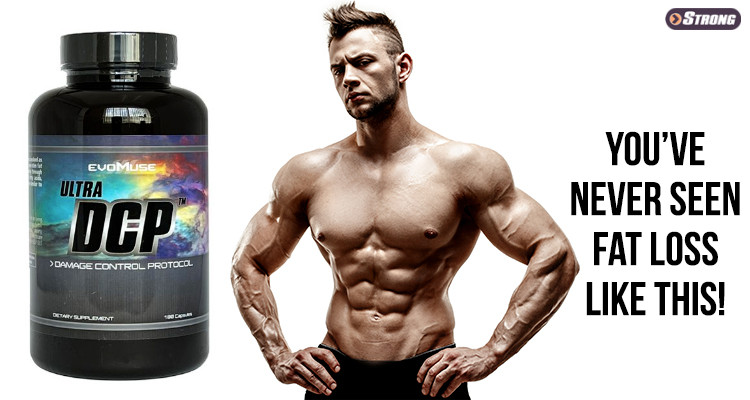 References:
- Kondo, H., Hashizume, K., Shibuya, Y., Hase, T., & Murase, T. (2011). Identification of diacylglycerol acyltransferase inhibitors from Rosa centifolia petals. Lipids, 46(8), 691–700. https://doi.org/10.1007/s11745-011-3559-8
- Matsuura, N., Gamo, K., Miyachi, H., Iinuma, M., Kawada, T., Takahashi, N., Akao, Y., & Tosa, H. (2013). γ-Mangostin from Garcinia mangostana pericarps as a dual agonist that activates Both PPARα and PPARδ. Bioscience, biotechnology, and biochemistry, 77(12), 2430–2435. https://doi.org/10.1271/bbb.130541
- Marcovina, S. M., Sirtori, C., Peracino, A., Gheorghiade, M., Borum, P., Remuzzi, G., & Ardehali, H. (2013). Translating the basic knowledge of mitochondrial functions to metabolic therapy: role of L-carnitine. Translational research : the journal of laboratory and clinical medicine, 161(2), 73–84. https://doi.org/10.1016/j.trsl.2012.10.006
- Brunmair, B., Staniek, K., Dörig, J., Szöcs, Z., Stadlbauer, K., Marian, V., Gras, F., Anderwald, C., Nohl, H., Waldhäusl, W., & Fürnsinn, C. (2006). Activation of PPAR-delta in isolated rat skeletal muscle switches fuel preference from glucose to fatty acids. Diabetologia, 49(11), 2713–2722. https://doi.org/10.1007/s00125-006-0357-6
- Sasa, M., Inoue, I., Shinoda, Y., Takahashi, S., Seo, M., Komoda, T., Awata, T., & Katayama, S. (2009). Activating effect of momordin, extract of bitter melon (Momordica Charantia L.), on the promoter of human PPARdelta. Journal of atherosclerosis and thrombosis, 16(6), 888–892. https://doi.org/10.5551/jat.2790
- Nerurkar, P. V., Lee, Y. K., & Nerurkar, V. R. (2010). Momordica charantia (bitter melon) inhibits primary human adipocyte differentiation by modulating adipogenic genes. BMC complementary and alternative medicine, 10, 34. https://doi.org/10.1186/1472-6882-10-34
- Wang, Z. Q., Zhang, X. H., Yu, Y., Poulev, A., Ribnicky, D., Floyd, Z. E., & Cefalu, W. T. (2011). Bioactives from bitter melon enhance insulin signaling and modulate acyl carnitine content in skeletal muscle in high-fat diet-fed mice. The Journal of nutritional biochemistry, 22(11), 1064–1073. https://doi.org/10.1016/j.jnutbio.2010.09.004
- Guo, F., Huang, C., Liao, X., Wang, Y., He, Y., Feng, R., Li, Y., & Sun, C. (2011). Beneficial effects of mangiferin on hyperlipidemia in high-fat-fed hamsters. Molecular nutrition & food research, 55(12), 1809–1818. https://doi.org/10.1002/mnfr.201100392
- Na, L., Zhang, Q., Jiang, S., Du, S., Zhang, W., Li, Y., Sun, C., & Niu, Y. (2015). Mangiferin supplementation improves serum lipid profiles in overweight patients with hyperlipidemia: a double-blind randomized controlled trial. Scientific reports, 5, 10344. https://doi.org/10.1038/srep10344
- Gugler, R., Leschik, M., & Dengler, H. J. (1975). Disposition of quercetin in man after single oral and intravenous doses. European journal of clinical pharmacology, 9(2-3), 229–234. https://doi.org/10.1007/BF00614022
- Smith, A. J., Kavuru, P., Wojtas, L., Zaworotko, M. J., & Shytle, R. D. (2011). Cocrystals of quercetin with improved solubility and oral bioavailability. Molecular pharmaceutics, 8(5), 1867–1876. https://doi.org/10.1021/mp200209j
- Seo, M. J., Lee, Y. J., Hwang, J. H., Kim, K. J., & Lee, B. Y. (2015). The inhibitory effects of quercetin on obesity and obesity-induced inflammation by regulation of MAPK signaling. The Journal of nutritional biochemistry, 26(11), 1308–1316. https://doi.org/10.1016/j.jnutbio.2015.06.005
- Jung, C. H., Cho, I., Ahn, J., Jeon, T. I., & Ha, T. Y. (2013). Quercetin reduces high-fat diet-induced fat accumulation in the liver by regulating lipid metabolism genes. Phytotherapy research : PTR, 27(1), 139–143. https://doi.org/10.1002/ptr.4687
-
Supplement Facts Panel
DCP Ultra by EvoMuse Ingredients
Supplement Facts Serving Size: 2 Capsules Servings per container: 90 Amounts per serving %DV* Rose Ellagitannins 20:1 Methanol Extract 150 mg ** Gamma-Mangostin 30% (Mangosteen Ethanol Extract) 100 mg ** Artemisia Iwayomogi 20:1 Ethanol Extract 330 mg ** Hibiscus Sabdariffa Dichloromethane Extract 20:1 250 mg ** Carnitine Fumarate 300 mg ** Momordin 35% (Bitter Melon Ethanol Extract) 40 mg ** Mangiferin 50 mg ** Quercetin-Theobromine Cocrystals 75 mg ** Menthol 10 mg ** Panax Notoginseng 20:1 Ethanol Extract 100 mg ** Piper Retrofractum Vahl 50:1 Methanol Extract 100 mg ** Curcumin-Ascorbic Acid Cocrystals 75 mg ** *Percent Daily Value based on a 2,000 calorie diet. **(DV)Daily Value Not Established
Other Ingredients: Chitosan, Rice Flour, and Carbopol 940, and Cellulose (capsules).
Directions: As a dietary supplement, take 2 capsules three times daily as needed or as directed by your physician.
*These statements have not been evaluated by the Food and Drug Administration. This product is not intended to diagnose, treat, cure, or prevent any disease. Individual results may vary.
- UPC:
- 758381476449
Read Customer Reviews about their first-hand experience with
Strong Supplement Shop encourages you to read reviews below from other Customers and hear their real world experience with this supplement in and out of the Gym. Reasearch is important but we also value the testimonials of individual results who actually used DCP Ultra by EvoMuse and can describe how the supplement felt. *Individual results may vary